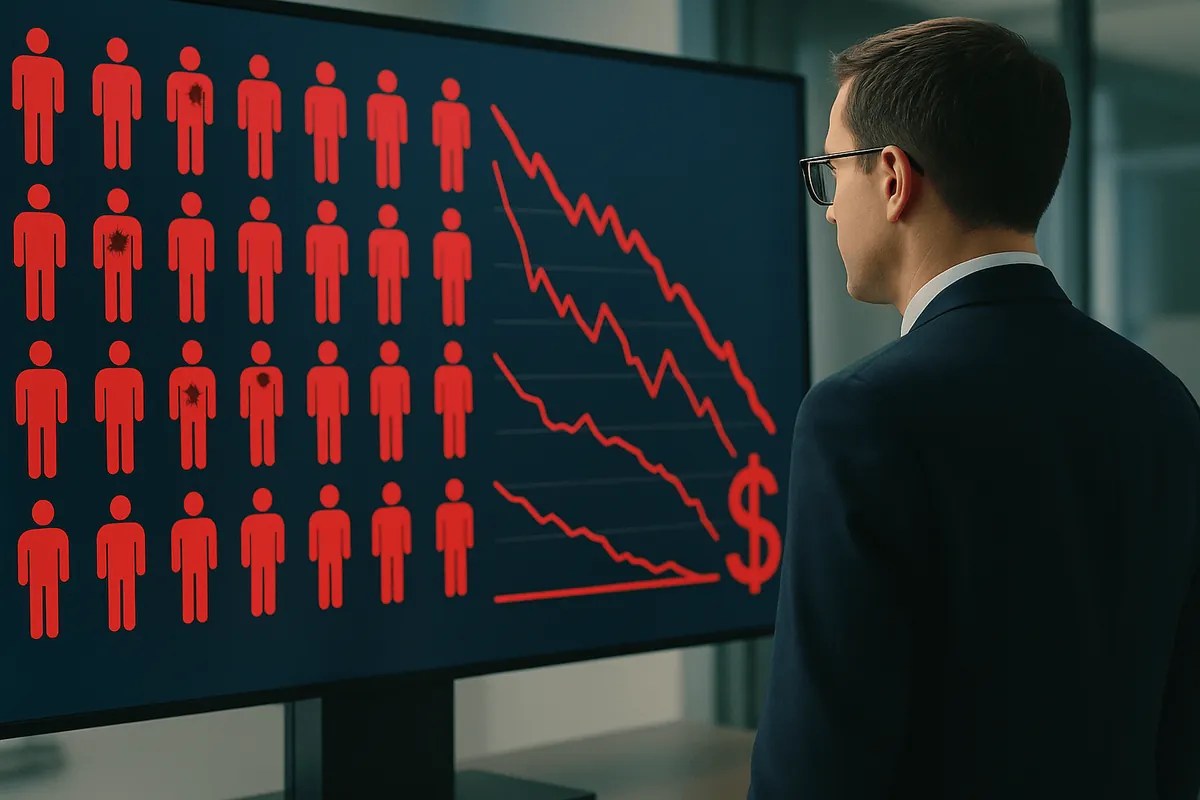
Understanding Pandemic Spread and Optimizing Resource Allocation
Mathematical models and simulations to predict infectious disease spread and guide resource allocation.
33 papers5 lab members21 collaborators
Our lab tackles cutting-edge challenges across wide range of fields. Each project is designed to push the boundaries of science, combining deep expertise with innovative techniques to solve real-world problems. Dive into our initiatives to see how we translate ideas into solutions.
What is keeping us excited nowadays
Mathematical models and simulations to predict infectious disease spread and guide resource allocation.
33 papers5 lab members21 collaborators
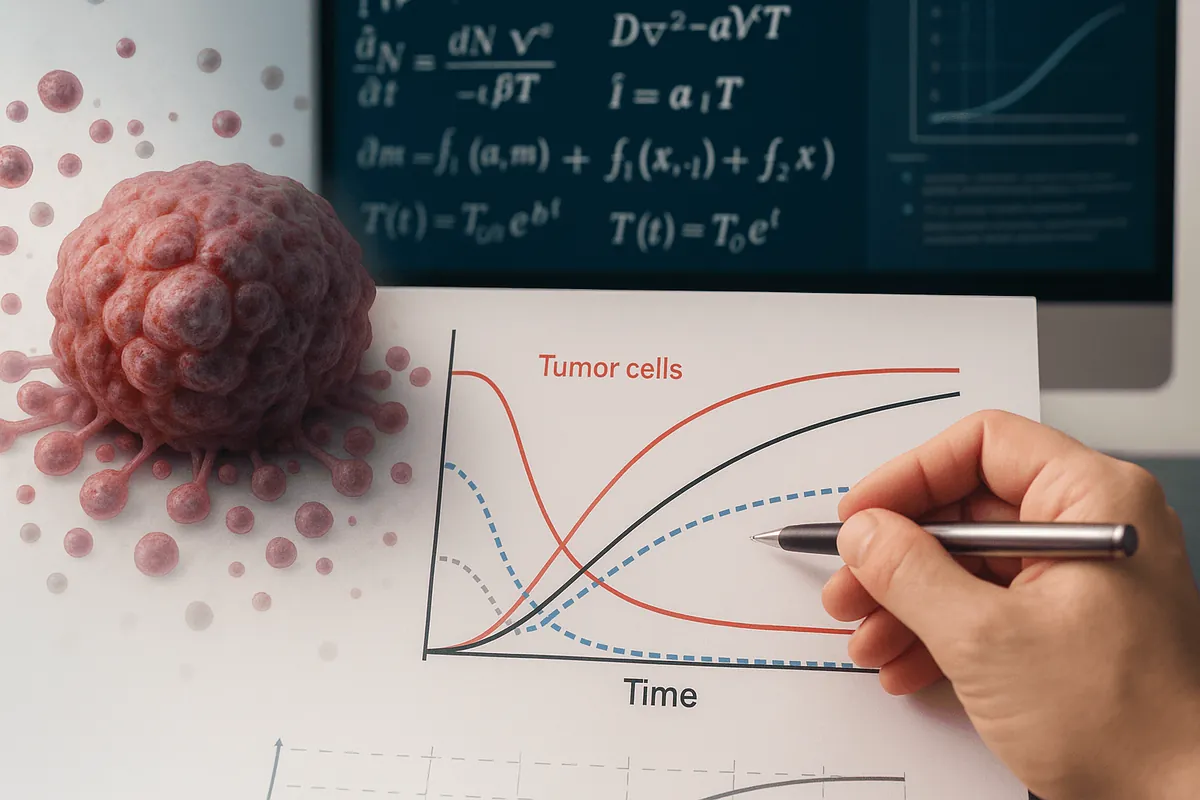
Developing bio-mathematical models for cancer spread and treatment, and for additional diseases, using ODEs, PDEs, and simulations.
16 papers4 lab members11 collaborators
Harnessing AI to tailor treatments to individuals and improve medical resource allocation at the community level.
21 papers12 lab members77 collaborators
Advancing physics-informed symbolic regression for interpretable models discovered from data.
12 papers10 lab members9 collaborators
Using AI to uncover patterns, behaviors, and socio-economic impacts in the formal and informal economy.
17 papers8 lab members18 collaborators
Leveraging biological principles and advanced analytics to evaluate scientific impact and trends.
10 papers5 lab members10 collaborators
Developing machine-learning methods for feature selection, AutoML, optimization and anomaly detection, and applying machine learning to climate, language and social questions.
18 papers4 lab members27 collaborators
Developing and applying federated learning techniques to enhance cybersecurity defenses without sharing sensitive raw data.
1 paper5 lab members4 collaborators
Analyzing behavioral and sensorial data to derive insights into animal health and welfare.
21 papers4 lab members63 collaborators
Studying how emotional context changes what large language models do, how people behave toward AI, what the structure of spontaneous thought says about repetitive thinking, and how AI predictions can support clinical decisions in mental health.
4 papers1 lab member17 collaborators