Open course materialsProf. Teddy Lazebnik

Epidemic Modeling

A free course on how to describe epidemics with mathematics and computation: history, compartmental and spatial models, strains, agent-based simulation, data-driven forecasting, calibration, surveillance data, interventions, uncertainty and computing. Short animated episodes, slides, labs and games.

The course book. Teddy Lazebnik, Epidemic Modeling: Principles, Algorithms, and Applications (Academic Press, 2026). Each module follows one chapter of the book; the episodes, slides and labs are written in our own words, figures and simulations. Buy the book from Elsevier

Cover of the course book: Epidemic Modeling: Principles, Algorithms, and Applications, by Teddy Lazebnik

How to study each module

Every module page brings the same four things together. Use them in any order; this one works well.

Watch

Start with the module’s short animated episodes, three to six minutes each, with a transcript to read along. They give the intuition first.

Read the slides

Each deck is written to be read on your own: worked examples, “try it” boxes, our own small simulations, and check-yourself questions with answers at the end. The matching chapter of the course book goes deeper.

Try it

Run the models yourself in the browser: 11 labs, from a behavior lab in Module 2 to a step-size lab in Module 12.

Play

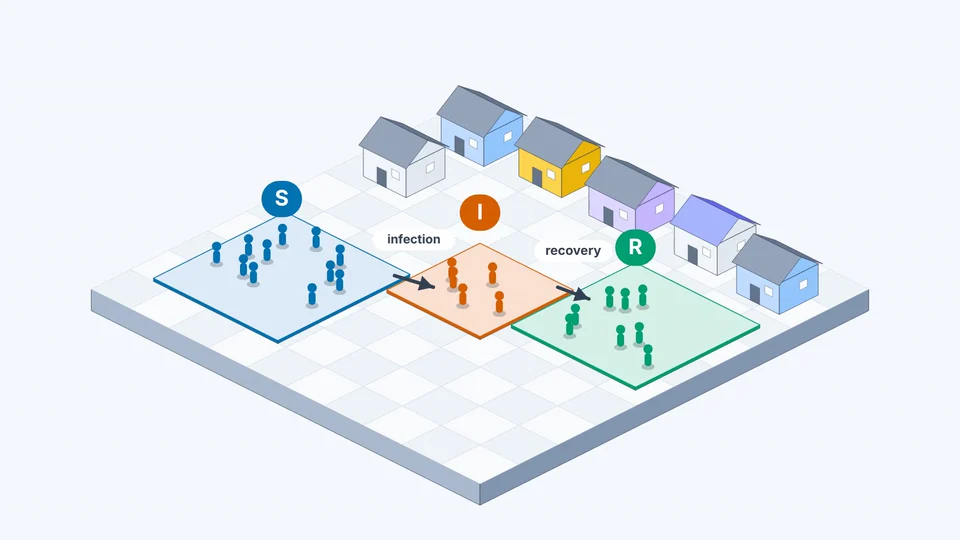
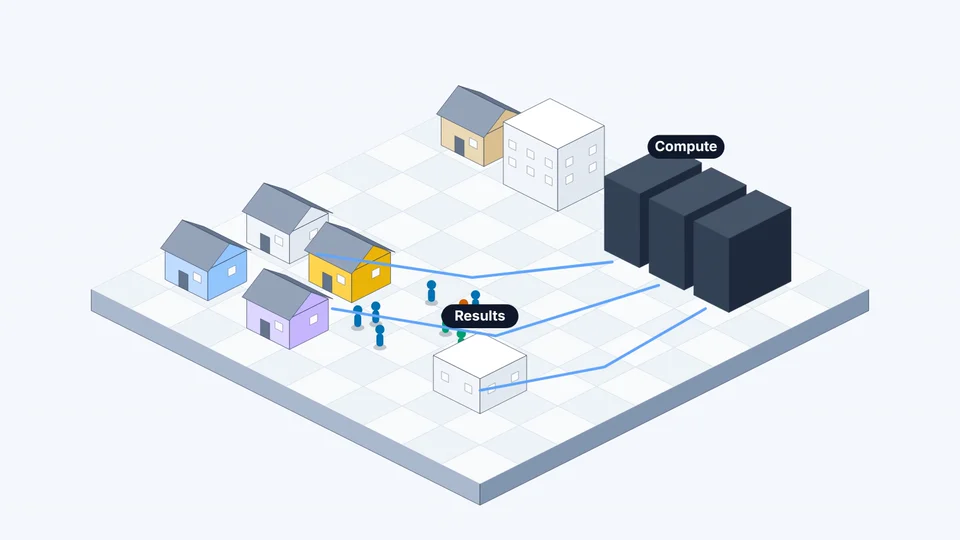
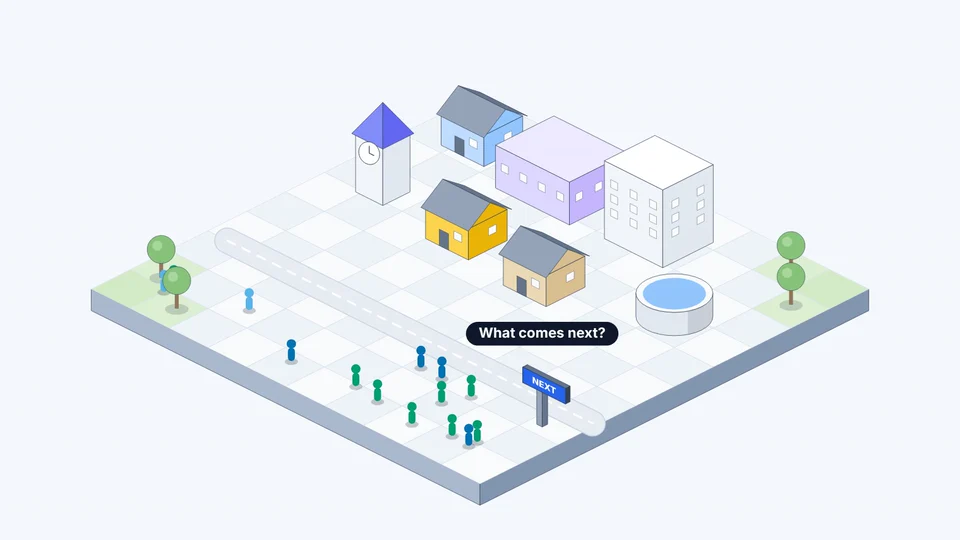
In Mayor’s Outbreak you steer a city through an epidemic. Modules 1, 10 and 13 say what to look for while you play.

The 13 modules

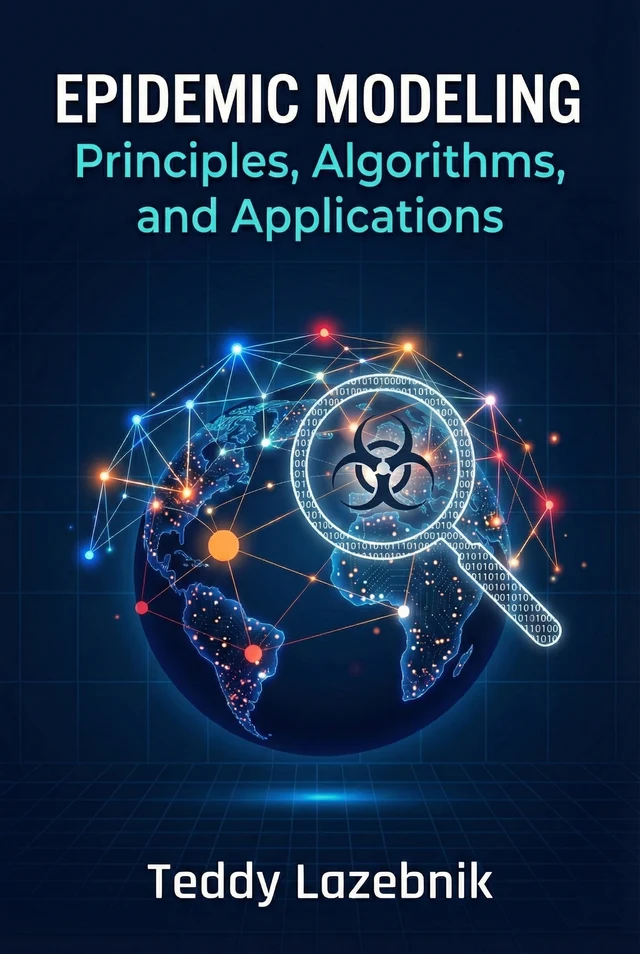
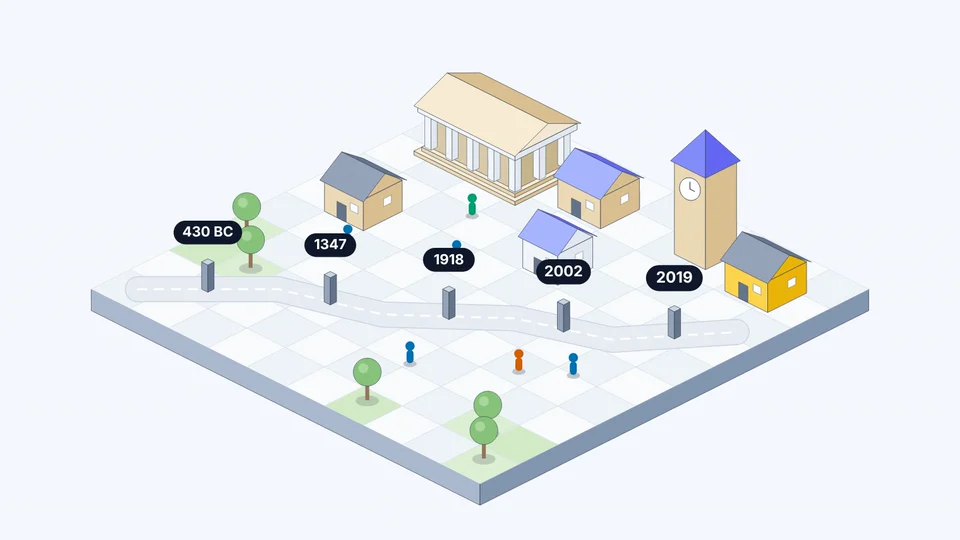
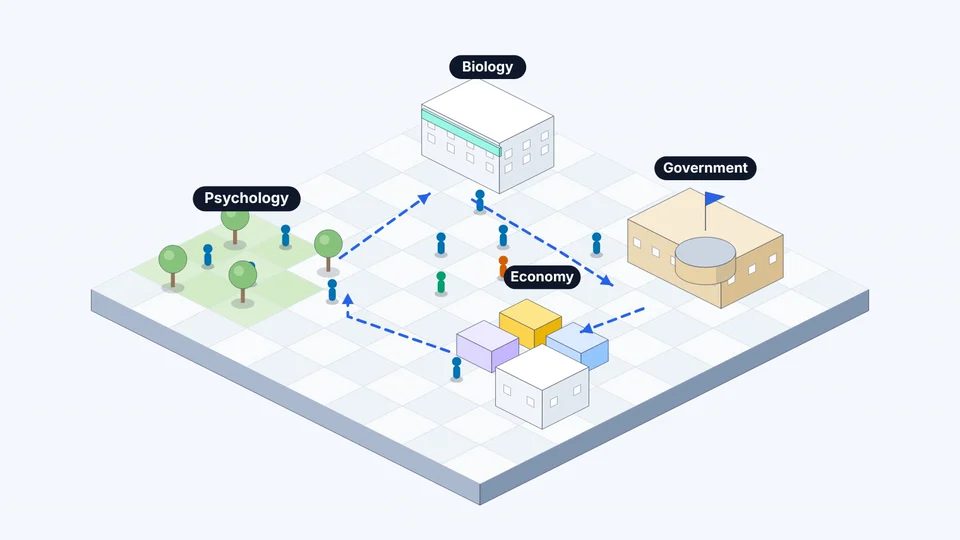
From the history of pandemics to the computing behind large simulations. Each card opens the module page with its episodes, slides, lab and game.

Labs and games

The labs run the course’s models in your browser.

Fear, fatigue and waves

An SIR town that reacts: fear lowers contacts, fatigue brings the wave back.

Module 2 lab

SIR-family builder and chance

Switch boxes on and off (latency, waning, births, seasons), then watch chance make outbreaks fizzle.

Module 3 lab

Cities, travel and networks

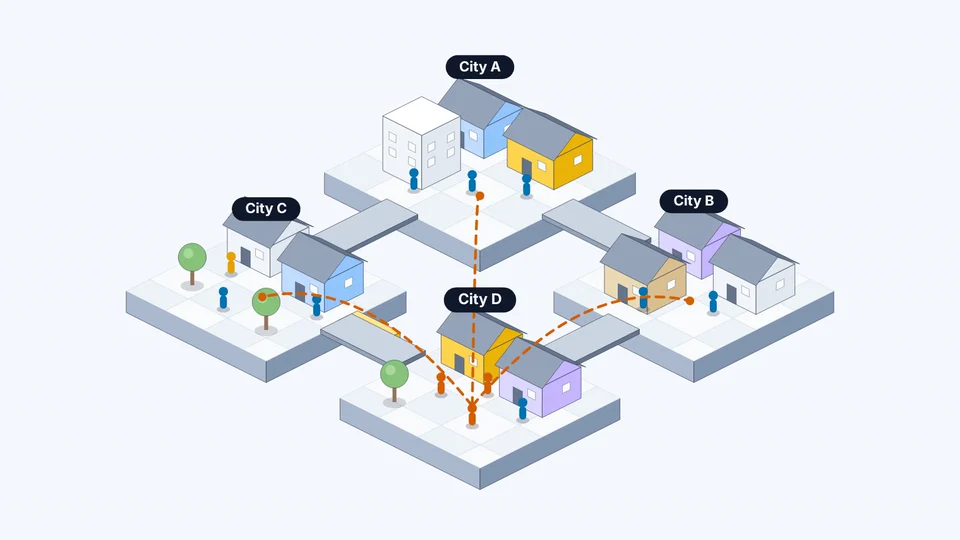
Link five cities by travel and close the border; then run outbreaks on random, clustered and hub-heavy networks.

Module 4 lab

Strains, immunity and mutation

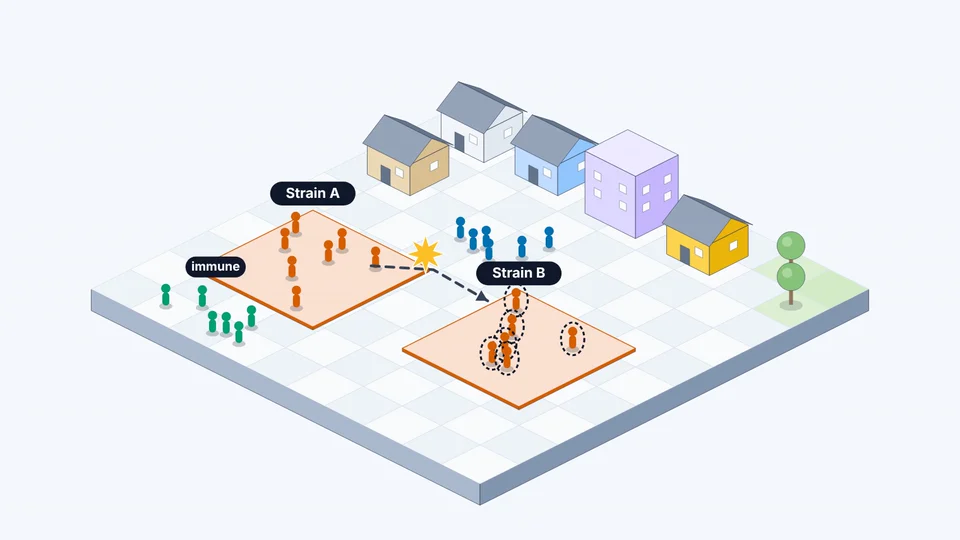
Let a second strain arrive into a town with immunity, then make new strains by mutation and count the waves.

Module 5 lab

A town of agents

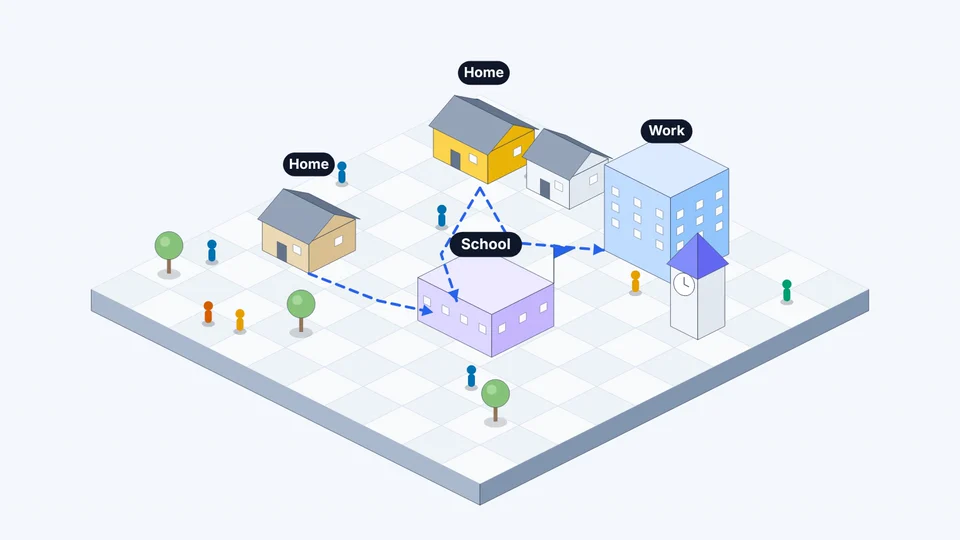
Run a town of 1,800 agents in households, change the shape of the stages, and compare two policies with common random numbers.

Module 6 lab

Nowcasting and backtests

Correct the latest days for reporting delay, watch a nowcast fail when labs slow down, and backtest four simple forecasters.

Module 7 lab

Fitting an outbreak

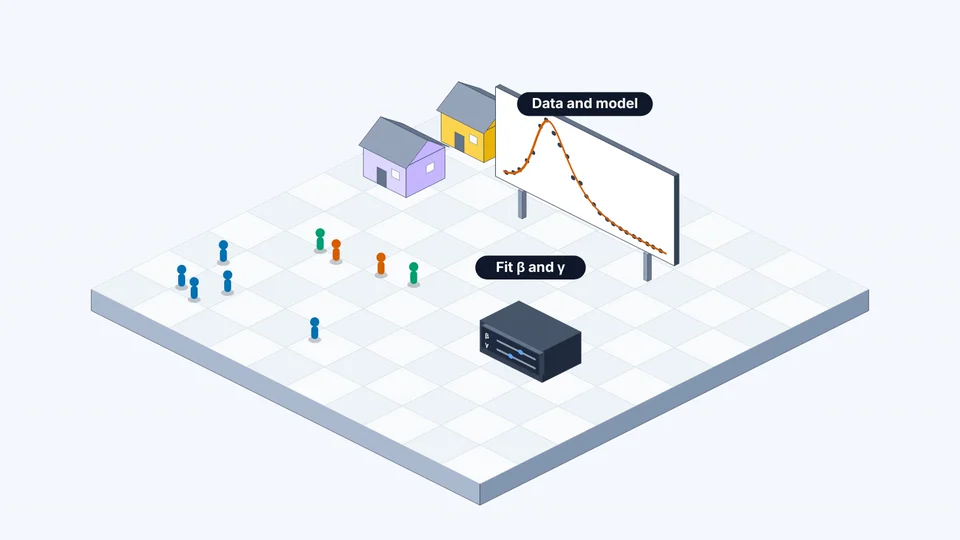
Fit one outbreak with four searches on a loss map, find the identifiability valley, and run ABC on a random town.

Module 8 lab

What surveillance sees

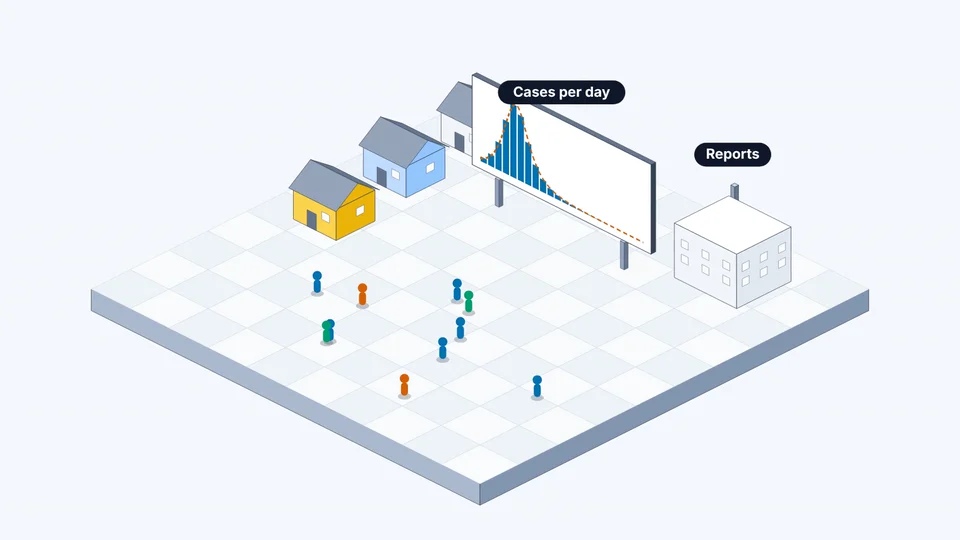
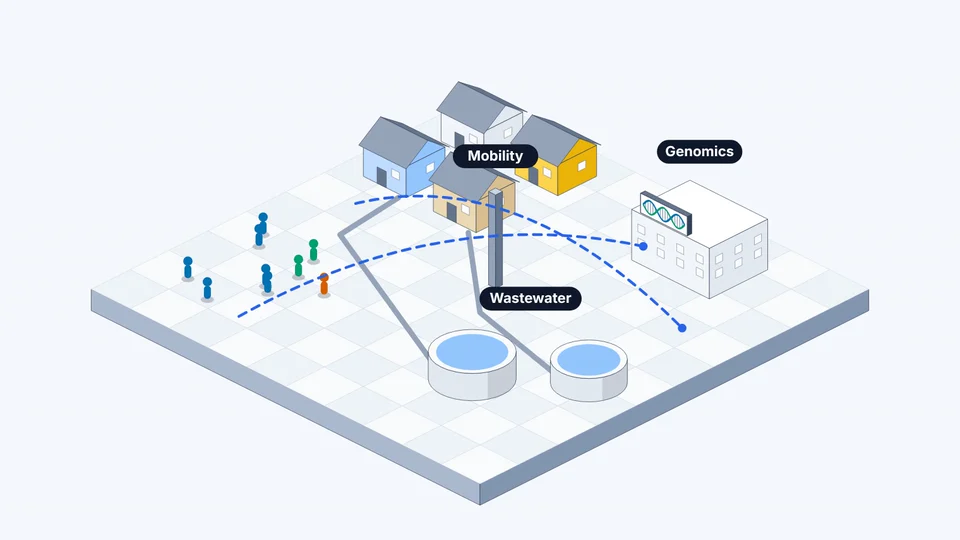
Watch one hidden epidemic through reported cases, a serosurvey with imperfect tests, and wastewater samples.

Module 9 lab

Lockdowns and vaccine priority

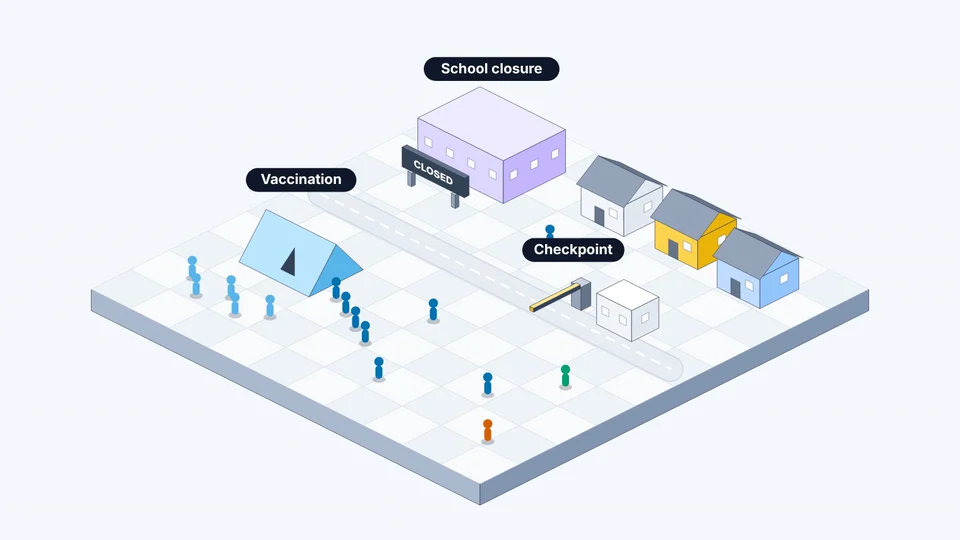
Slide a lockdown's start, length and strength against hospital beds and lost output, then choose who gets vaccinated first.

Module 10 lab

Sensitivity and forecast scores

Rank the inputs of an SEIR model with local derivatives, Morris and Sobol, then score four forecasters for error, coverage and the weighted interval score.

Module 11 lab

Step sizes and chance

Solve the SIR model with Euler and Runge–Kutta, push a step until the epidemic goes negative, then compare exact and tau-leaping stochastic runs.

Module 12 lab

Game

Mayor's Outbreak

An SIR strategy game in your browser

In this course: used in Modules 1, 10 and 13: steer a city through an outbreak, and see the trade-offs that the course turns into models.

Mayor's Outbreak is a browser-based SIR strategy simulation where you steer a city through an epidemic by balancing mobility, testing, and public protection.